 For many people, acne is no longer just a teenage concern. Even as adults, breakouts seem to appear in cycles — just as one pimple heals, another surfaces.
Despite using various acne treatments, the problem often persists. In reality, recurring acne is rarely caused by a single factor such as oily skin or diet; it’s usually driven by three deeper underlying causes that continually disrupt the skin’s balance.
1. A Damaged Skin Barrier: When the Defense System Collapses
The skin barrier is the body’s first line of defense, composed of the stratum corneum, lipid film, and microbiome. It locks in moisture and protects against external irritants and bacteria.
However, excessive cleansing, over-exfoliation, or overuse of acidic or alcohol-based skincare can compromise this structure. As the barrier weakens, the skin becomes dry, sensitive, and more prone to micro-inflammation — allowing Cutibacterium acnes to invade and trigger repeated breakouts.
Care recommendations:
• Use gentle, low-irritation cleansers and skincare products;
• Avoid switching products too frequently;
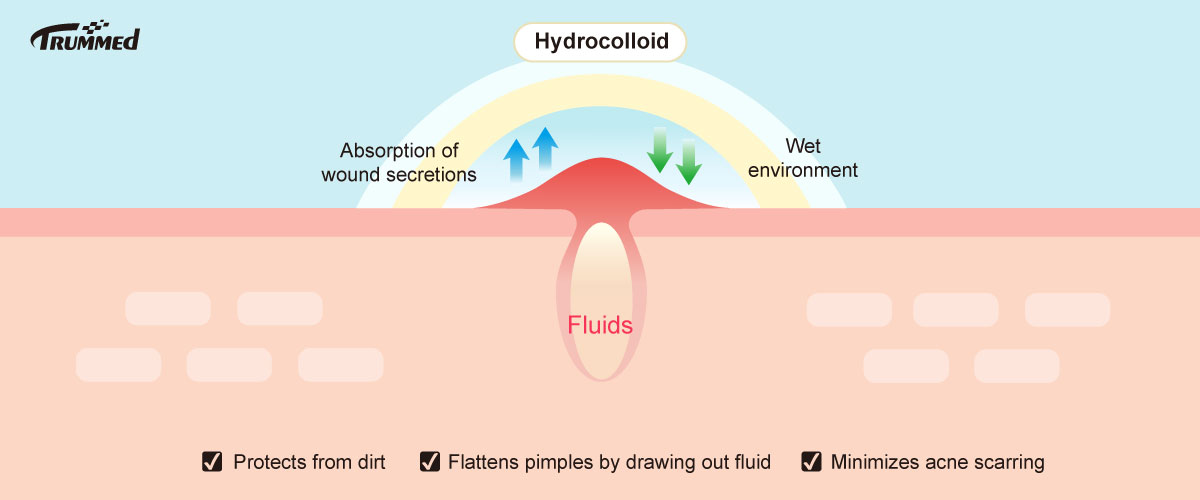
• For inflamed pimples, apply medical-grade hydrocolloid acne patches
—they help absorb pus, reduce friction, and provide a protected healing
environment for faster recovery.
2. Hormonal and Lifestyle Imbalance: When the Body Sends a Warning
Hormonal fluctuations are one of the leading causes of adult acne. Stress, sleep deprivation, and an irregular diet can all disrupt hormone levels and overstimulate sebaceous glands.
Persistent breakouts around the chin, mouth, or jawline are often linked to shifts in estrogen and androgen balance. Additionally, a high intake of sugar and dairy products has been shown to aggravate acne formation.
Care recommendations:
• Maintain regular sleep and eating patterns;
• Limit sugar and dairy consumption;
• During breakout periods, use microneedle acne patches — their fine microstructures deliver anti-inflammatory and healing ingredients directly beneath the skin’s surface, helping reduce redness and swelling while accelerating recovery.
3. Poor Handling Habits: Small Actions, Big Consequences
Popping pimples, touching the face, sleeping with makeup on, or not changing pillowcases — these seemingly harmless habits can worsen acne or lead to post-inflammatory pigmentation and scarring.
When a pimple is squeezed, the skin barrier is physically damaged, allowing bacteria to spread deeper into the tissue. This often results in secondary infection, making acne recur before the previous spots have fully healed.
Care recommendations:
• Keep both hands and facial skin clean; avoid touching active acne;
• Use invisible hydrocolloid acne patches when going out or wearing masks
to block contaminants and prevent touching;
• Allow acne to heal naturally in a protected, low-irritation environment.
Conclusion: True Acne Care Begins with Restoration
Chronic acne is a multifactorial issue involving the skin barrier, hormones, and lifestyle habits.
Rather than relying on harsh or fast-acting treatments, a more effective approach is to restore the skin barrier, regulate daily routines, and adopt professional care solutions.
When you understand your skin’s natural needs, it regains its ability to self-regulate — and persistent acne gradually becomes a thing of the past.
Brand Perspective: Restoring Balance Through Science and Precision Care
As a company specializing in medical and dermatological care products, we believe that effective acne management begins with understanding the skin’s microenvironment.
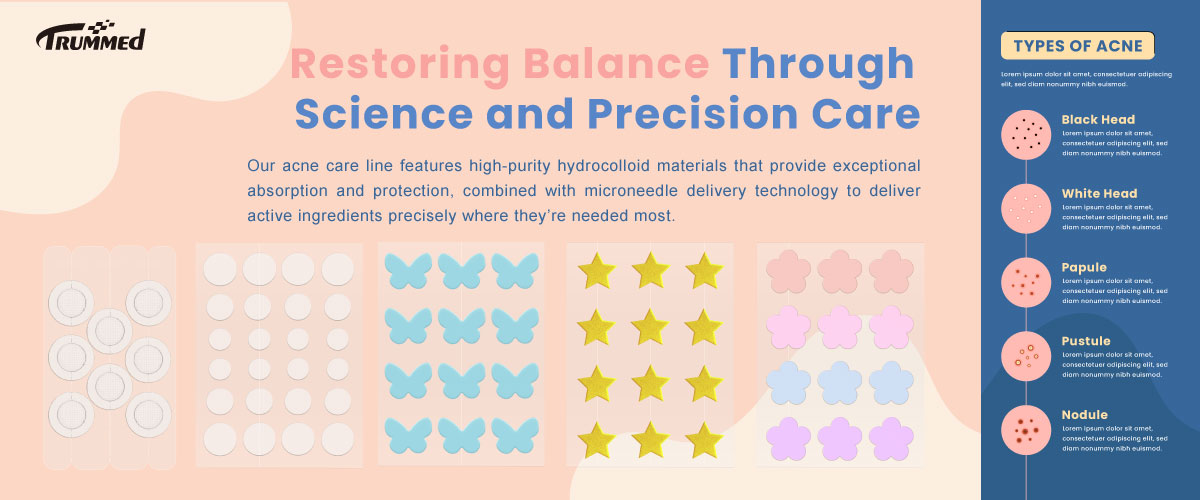
Our acne care line features high-purity hydrocolloid materials that provide exceptional absorption and protection, combined with microneedle delivery technology to deliver active ingredients precisely where they’re needed most.
From early-stage whiteheads to inflamed acne, we offer targeted, efficient, and skin-friendly solutions that support barrier repair and promote long-term skin balance — enabling healthier, calmer skin through safe and advanced care technology.