In managing complex and chronic wounds, Negative Pressure Wound Therapy (NPWT) has become a critical technology in the medical field due to its remarkable efficacy. With the continuous advancement of medical technology, portable NPWT systems have emerged, offering patients more flexible and personalized treatment options. This trend is expanding from hospitals to home care, potentially becoming a cornerstone of future medical technology development.
Innovative Features of Portable NPWT
Compared to traditional hospital-based devices, portable NPWT systems have the following key advantages:
1.Miniaturized Design: Portable devices are smaller and lighter, often featuring rechargeable batteries and wireless connectivity, making them convenient for patients to carry.
2.Adaptability to Daily Life: These devices minimize the impact of treatment on patients’ daily activities, allowing them to engage in social interactions, work, or travel more easily.
3.Intelligent Monitoring: Many portable devices are equipped with smart sensors and mobile applications, enabling real-time monitoring of wound healing progress and data transmission to medical teams for precise remote care.
4.Cost-Effectiveness: With the use of advanced materials and optimized manufacturing processes, the production costs of portable devices have been significantly reduced, making treatment more accessible to a broader range of patients.
Evidence Supporting the Trend of Portable NPWT
As healthcare models evolve, the application of portable NPWT systems is rapidly expanding. The following key data and cases support this trend:
Improved Treatment Outcomes: Studies show that patients using portable NPWT systems experience faster wound healing and significantly reduced infection risks.
Integration with Telemedicine: With intelligent and data-driven features, portable devices enable medical teams to track patients’ progress in real time, enhancing the efficiency and reliability of remote care.
Alleviating Healthcare Resource Pressure: Portable devices effectively reduce hospital stay durations, lower bed occupancy rates, and alleviate the burden on healthcare systems.
Market Prospects and Challenges
The broad market potential of portable NPWT systems has attracted significant attention from medical device manufacturers. According to market research, the global portable NPWT market is expected to grow at a double-digit compound annual growth rate over the next five years. However, this field also faces several challenges:
1.Technical Barriers: Miniaturization and intelligent functionalities require advanced technologies, including micro-pump systems and efficient battery technologies.
2.User Education: Patients and caregivers need training to use the devices correctly and ensure effective treatment.
3.Regulations and Certification: Promoting medical devices requires compliance with regulatory requirements across different countries and regions, which can increase development and marketing complexities.
Future Outlook
Portable NPWT systems not only meet patients’ needs for flexible treatment solutions but also drive technological innovation in the medical industry. Through continuous research and development, these devices will play a greater role in improving treatment outcomes, enhancing patients’ quality of life, and optimizing healthcare resource allocation.
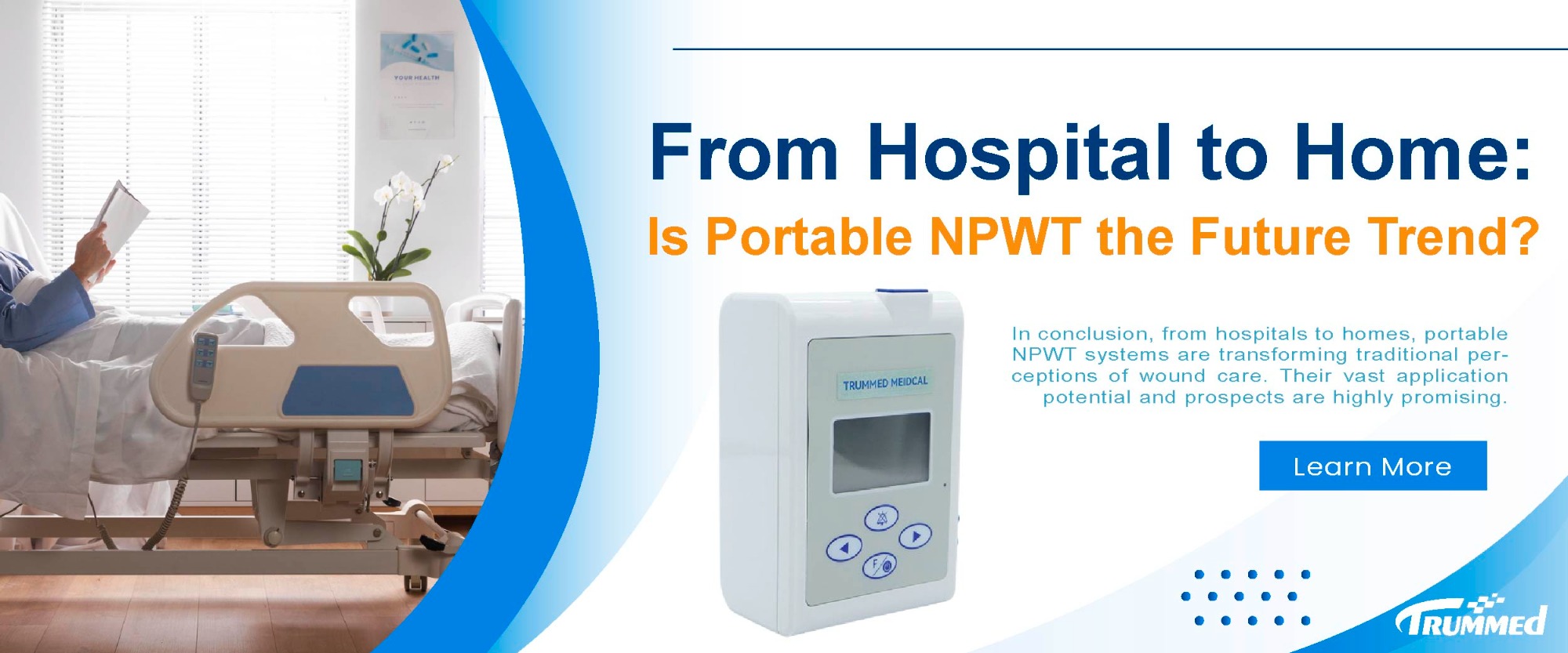
In conclusion, from hospitals to homes, portable NPWT systems are transforming traditional perceptions of wound care. Their vast application potential and prospects are highly promising.