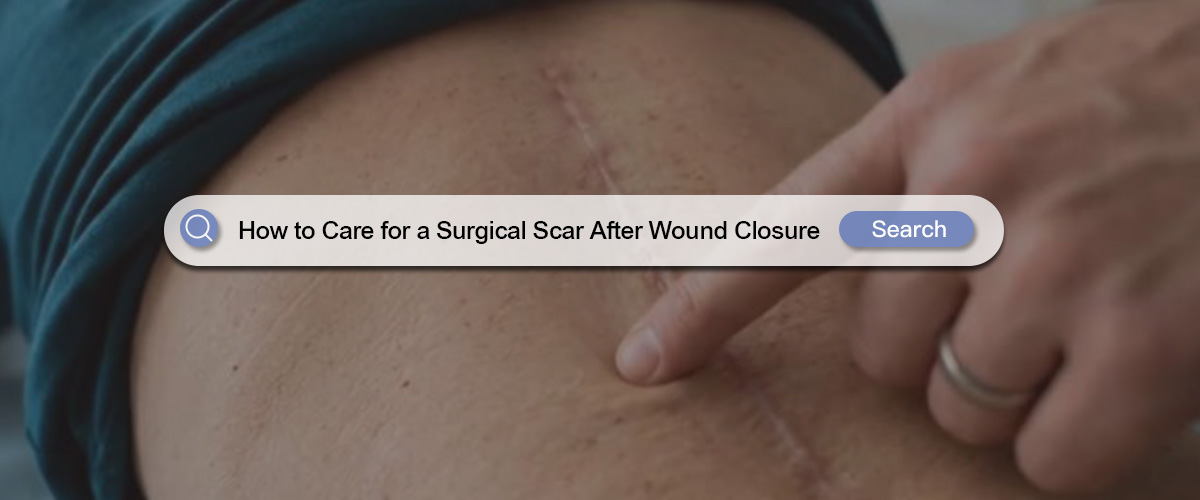
Surgical wounds require careful attention even after the incision has closed. While the skin may appear healed on the surface, the underlying tissue continues to undergo remodeling for months. During this period, proper scar care can help improve skin texture, reduce discomfort, and minimize the appearance of the scar over time.
Understanding how to care for a surgical scar after wound closure is an important part of the recovery process.
1. Understand the Skin's Healing Process
After surgery, the body goes through several stages of wound healing: inflammation, tissue formation, and remodeling.
Once the incision has closed and new skin has formed, the wound enters the scar maturation phase. However, the newly healed skin is still relatively fragile, and collagen continues to reorganize beneath the surface.
A healing surgical scar may initially appear red, firm, raised, or slightly itchy. These changes are common and generally become less noticeable as the scar matures.
Scar remodeling can continue for 12–18 months or longer, depending on the individual and the nature of the surgery.
2. Keep the Newly Healed Skin Protected
Once the wound has fully closed, gentle skin care becomes important.
Keep the area clean and avoid excessive friction, picking, or unnecessary stretching. Activities that place tension on the incision may contribute to wider or more noticeable scars.
It is also important to avoid harsh skincare products that may irritate newly healed skin.
If the incision is still open, leaking fluid, or showing signs of infection, continue following the wound-care instructions provided by your healthcare professional rather than starting scar treatments.
3. Consider Silicone-Based Scar Treatments
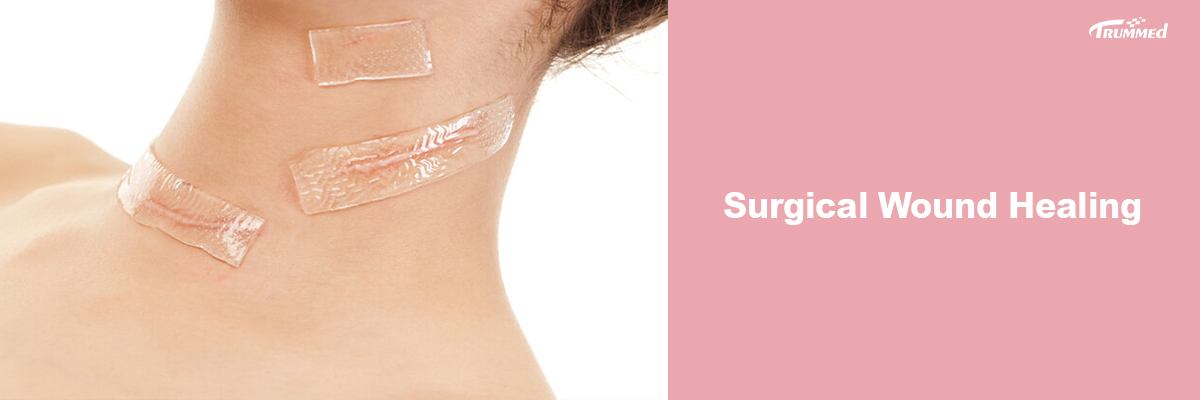
Silicone-based products, including silicone scar sheets and silicone gels, are widely used in scar management, particularly for raised scars and surgical scars at risk of hypertrophic scarring.
Silicone forms a protective layer over the healed skin and helps maintain a hydrated environment. This may help regulate scar tissue development and improve the appearance of raised, firm, or discolored scars over time.
Silicone scar sheets are particularly useful for covering linear surgical scars, such as those from C-sections or other surgical incisions. They are available in different sizes and thicknesses and can often be trimmed to fit the affected area.
For best results, users should follow the product instructions and maintain consistent use over several weeks or months. The skin should be fully healed before application.
However, silicone treatments do not guarantee scar removal, and results can vary depending on scar type, location, and individual healing characteristics.
4. Gentle Scar Massage May Help
Once the incision is completely healed and your healthcare professional confirms that massage is appropriate, gentle scar massage may help improve tissue flexibility and reduce tightness.
A suitable fragrance-free moisturizer can be used to reduce friction during massage.
Gentle circular movements and light pressure around the scar may help soften firm tissue and improve comfort. Massage should never cause pain, irritation, or skin breakdown.
For scars that remain sensitive or raised, professional guidance is recommended before increasing massage pressure or frequency.
5. Protect the Scar From Sun Exposure
Newly healed skin is particularly sensitive to ultraviolet (UV) radiation. Sun exposure may cause a scar to become darker and more noticeable, especially during the early stages of maturation.
To protect the area:
l Use broad-spectrum sunscreen with SPF 30 or higher once the skin has healed.
l Cover the scar with clothing when exposed to direct sunlight.
l Reapply sunscreen as directed, particularly during prolonged outdoor activities.
Consistent sun protection during the first year can help reduce unwanted pigmentation and support better cosmetic outcomes.
6. Recognize Signs That Need Medical Attention
Not every change in a surgical scar is part of normal healing. Some symptoms may indicate infection, delayed healing, or abnormal scar formation.
Seek medical advice if you notice:
l Increasing redness, swelling, or warmth around the incision.
l Persistent or worsening pain.
l Pus, unusual discharge, or an unpleasant odor.
l A wound that reopens or fails to close properly.
l A scar that becomes increasingly raised, itchy, or painful.
Hypertrophic scars remain within the boundaries of the original wound, while keloids can extend beyond them. Both may require professional assessment and individualized treatment.
Conclusion
Caring for a surgical scar does not end when the wound closes. Protecting newly healed skin, considering silicone-based scar treatments, gentle massage, and consistent sun protection can all contribute to better scar management.
Since every scar heals differently, an appropriate care routine should take into account the wound's condition, scar characteristics, and individual skin needs. Early and consistent attention can make a meaningful difference in long-term scar appearance and comfort.