Animal bites can happen in unexpected situations, sometimes when people are simply passing by or trying to help an unfamiliar animal. Understanding animal behavior, respecting their boundaries, and responding appropriately to injuries can help protect both people and animals.
Understanding Animal Behavior: Prevention Starts with Awareness
Most animals do not seek conflict with people. However, unfamiliar surroundings, sudden movements, loud noises, pain, or perceived threats can cause an animal to react defensively. A stray dog or cat may feel particularly vulnerable when approached, cornered, or startled.
For example, someone walking past a resting stray dog might unintentionally get too close, while another person may approach an unfamiliar cat in an attempt to offer help. Even well-intentioned actions can make an animal feel threatened.
Learning to recognize warning signs can help prevent these encounters. Depending on the species and situation, signs of stress may include a stiff body posture, attempts to retreat, growling, hissing, flattened ears, or defensive movements.
When encountering an unfamiliar or stray animal:
l Keep a safe distance and avoid sudden movements.
l Do not corner, chase, touch, or feed an unfamiliar animal.
l Never approach an animal that appears injured, frightened, or unusually aggressive.
l Give animals space, especially when they are resting, eating, or protecting their young.
l If an animal appears injured or poses a safety concern, contact a local animal welfare organization or animal control service rather than attempting to handle it yourself.
These precautions are not about blaming animals. They recognize that animals have their own boundaries and may react when they feel unsafe. Responsible coexistence means protecting human safety while treating animals with patience and respect.
If an Animal Bite Happens, What Should You Do?
Even when an encounter is accidental, a bite or scratch should be taken seriously. Prompt action can reduce the risk of infection and help ensure that other potential health risks are assessed.
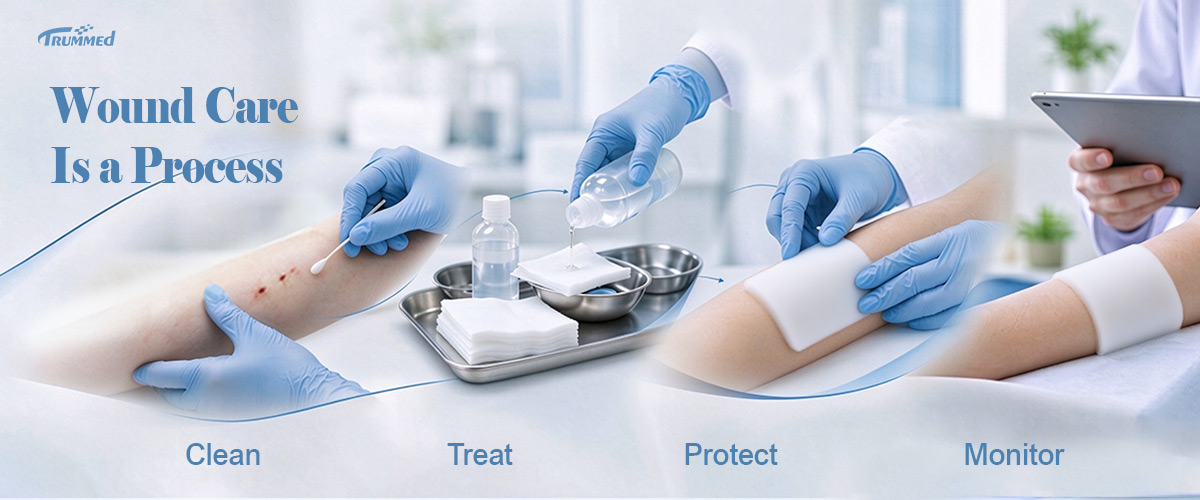
1. Clean the wound promptly.
Wash the affected area thoroughly with soap and running water for at least 15 minutes. Avoid applying irritating substances or attempting unverified home remedies.
2. Seek professional medical advice.
Contact a healthcare professional promptly after a bite or scratch that breaks the skin, particularly if the animal is unfamiliar, stray, or potentially wild. A clinician can assess the need for further treatment, including rabies prevention and tetanus vaccination. Do not wait for symptoms to appear if rabies exposure is possible.
3. Share information about the animal.
If it is safe to do so, note the animal's appearance, location, and behavior. Do not attempt to capture or restrain it yourself. Local healthcare or public health professionals can advise whether animal observation or further investigation is appropriate.
Protecting the Wound During Recovery
After professional assessment and initial wound care, appropriate wound protection can help manage drainage and protect the affected area during recovery. The choice of dressing should depend on the wound's condition, location, exudate level, and clinical recommendations.
For wounds that require a dressing, foam dressings may help manage moderate exudate, while superabsorbent dressings may be considered for wounds with heavier exudate. However, not every animal bite should be covered in the same way. Some wounds require specific medical treatment, and closure or dressing decisions should be made by a healthcare professional.
The wound should be monitored for increasing redness, swelling, warmth, pain, discharge, or fever. Any worsening symptoms warrant medical reassessment.
Caring for Animals Is Part of Preventing Injuries
Preventing animal bites is not only a matter of personal safety. It also involves understanding animal behavior, respecting boundaries, and responding compassionately when animals are vulnerable.
Stray animals may be frightened, injured, or unfamiliar with human contact. Rather than approaching them impulsively, people can help by keeping a safe distance and contacting qualified local animal welfare services when needed.
A safer relationship between people and animals begins with awareness and respect. When an injury does occur, timely medical care and appropriate wound protection remain essential parts of recovery.