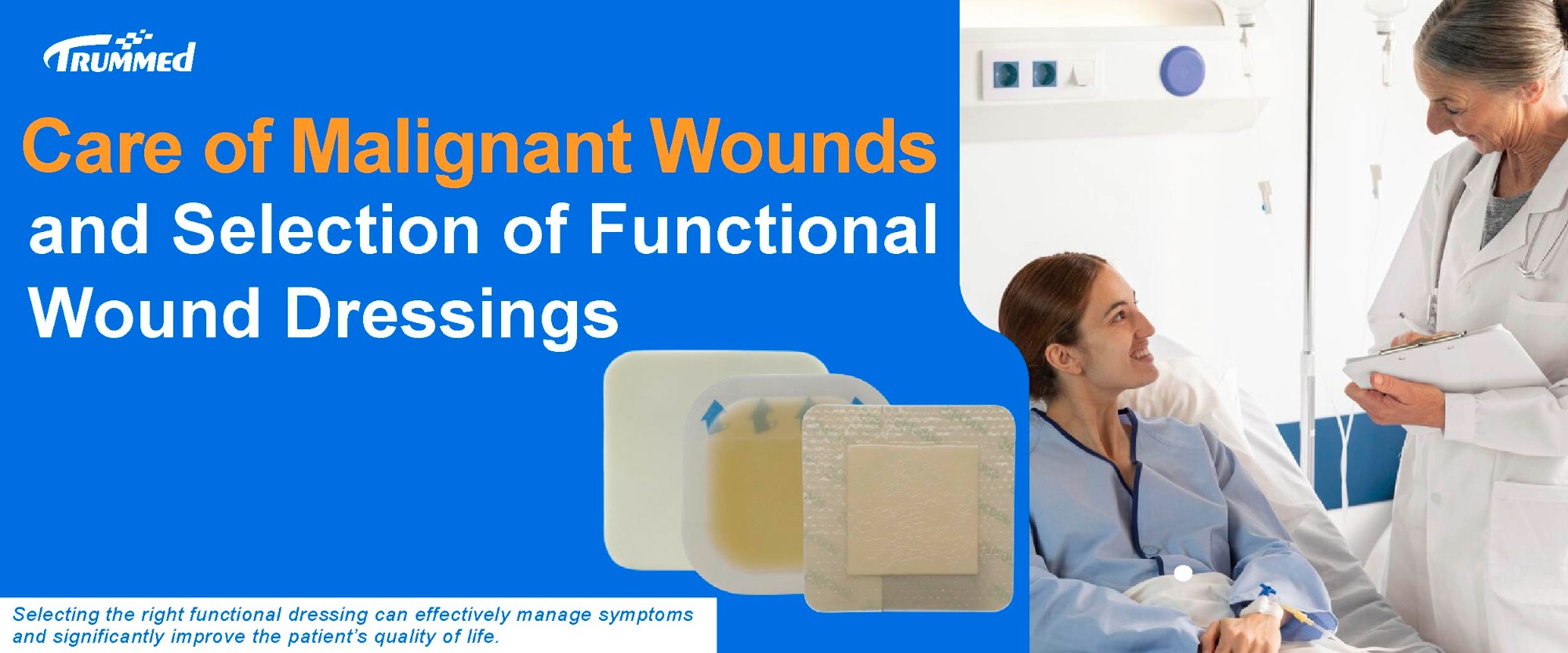
Malignant wounds are caused by local tumor invasion, ulceration, or skin damage during cancer treatment. These wounds are challenging to manage and often accompanied by pain, infection, odor, and excessive exudate. Choosing the appropriate functional wound dressing is critical to improving the patient’s quality of life.
Characteristics and Care Needs of Malignant Wounds
Malignant wounds typically exhibit the following characteristics:
Excessive exudate: The wound produces a large amount of exudate, potentially leading to maceration of surrounding skin.
High risk of infection: Susceptible to bacterial infection, characterized by redness, swelling, warmth, pain, and purulent discharge.
High sensitivity to pain: The wound and surrounding tissues are extremely sensitive to stimuli.
Delayed healing: Impaired healing ability due to underlying conditions.
The care objectives include controlling exudate, preventing infection, relieving pain, and promoting wound healing.
Common Functional Wound Dressings
Depending on the specific situation of malignant wounds, the following functional dressings can be chosen:
1.Absorbent Dressings
Foam Dressings: Suitable for wounds with moderate to heavy exudate. These dressings effectively absorb fluids and protect the surrounding skin, reducing the risk of maceration.
Hydrocolloid Dressings: Provide excellent absorption capacity, maintaining a moist healing environment. They are ideal for wounds with moderate or low exudate.
2.Antimicrobial Dressings
Silver Dressings: Release silver ions to inhibit bacterial growth, reducing the risk of infection. They are a common choice for antimicrobial care in malignant wounds.
Iodine Dressings: Offer broad-spectrum antibacterial effects and are suitable for mildly infected wounds or wounds with high infection risk.
3.Pain-Relieving Dressings
Foam Dressings: In addition to strong absorbency, their soft texture minimizes friction and irritation on the wound surface.
Hydrogel Dressings: Provide a cooling effect to alleviate wound pain while maintaining moisture.
4.Healing-Promoting Dressings
Transparent Film Dressings:Protect shallow malignant wounds from contamination and promote epithelial cell migration.
Hydrocolloid Dressings: Maintain a moist healing environment while promoting tissue repair and cell growth.
Special-Purpose Dressings
Deodorizing Dressings: Such as activated carbon dressings, help reduce odor associated with malignant wounds.
Pain-Free Removal Dressings: Suitable for patients requiring frequent dressing changes, minimizing secondary trauma.
Considerations for Dressing Selection
Based on Wound Condition: Assess the wound’s depth, exudate level, and infection status to select the appropriate dressing type.
Regular Dressing Changes: Adjust the frequency of changes according to the amount of exudate to prevent maceration or infection.
Combine with Systemic Treatment: Malignant wound care should complement anti-tumor therapies, enhance immunity, and improve overall health.
Individualized Care: Choose dressings based on the patient’s pain tolerance and lifestyle.
Conclusion
Caring for malignant wounds is a complex task requiring professional knowledge. Selecting the right functional dressing can effectively manage symptoms and significantly improve the patient’s quality of life. Caregivers should develop personalized care plans based on the patient’s specific conditions and closely monitor wound changes to adjust treatment strategies promptly.