Wound Closure Devices play a crucial role in the medical field, aimed at accelerating wound healing and providing protection. In recent years, advancements in technology and the rising demand for comfort have led to Wound Closure Devices that go far beyond simple coverage. Today’s Wound Closure Devices not only facilitate healing but also strive to offer a high level of comfort during use, allowing for freedom of daily activities even when injured. This concept has driven the development of innovative products , enabling patients to experience greater comfort and convenience during the healing process.
The Multifunctionality of Wound Closure Devices
Modern Wound Closure Devices far exceed the traditional concept of dressings, incorporating various features such as antibacterial properties, moisture control, and pain relief. For example, the wound closure device, as an innovative wound dressing, has the following characteristics:
Flexibility and High Comfort: This dressing uses flexible materials that can move with the body, making it less likely to fall off or cause discomfort. Especially in areas of frequent movement, such as the knees and elbows, the soft dressing can better conform to the skin, providing lasting protection while reducing friction and irritation during activity.
Advanced Wound Closure Technology: Compared to traditional suturing methods, wound closure devices can non-invasively bring the skin together, effectively reducing the risk of scar formation while alleviating patient pain. They also avoid the secondary trauma associated with sutures, minimizing the risk of infection during the healing process.
Healing Promoting Functional Materials: Many modern Wound Closure Devices incorporate bioactive materials, such as antibacterial dressings containing silver ions, drug-releasing dressings, or collagen-rich biomaterials that aid in accelerating wound healing. Additionally, some dressings utilize microneedle technology, allowing tiny needles to promote drug delivery for deeper healing effects.
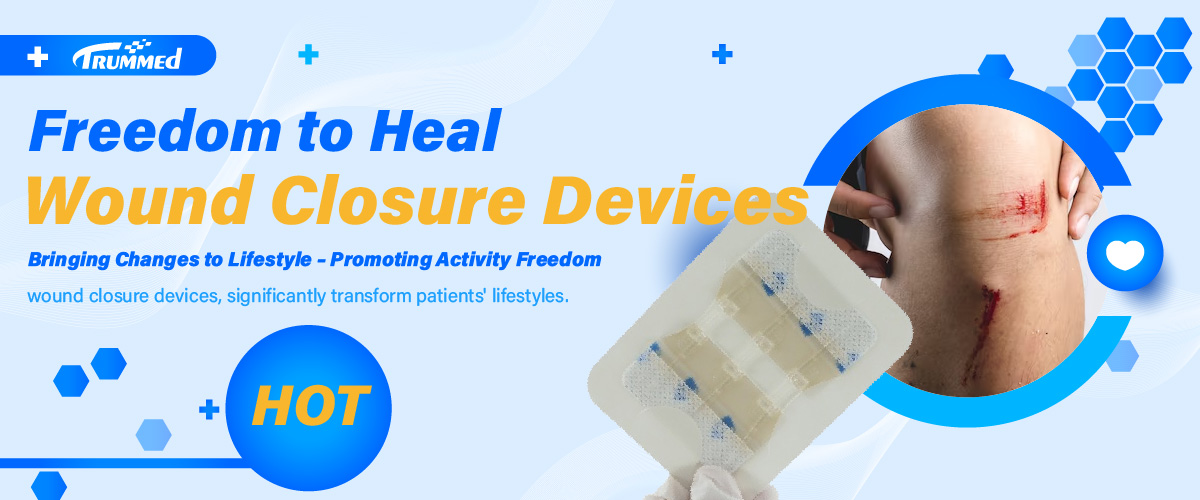
Bringing Changes to Lifestyle – Promoting Activity Freedom
The design of modern Wound Closure Devices allows patients to continue their daily activities even after injury. Traditional dressings are often bulky and restrictive, potentially leading to a lack of movement during recovery, which can affect physical health. However, innovative products like wound closure devices are lightweight and flexible, enabling patients to maintain comfort during exercise, work, or other activities.
Exercise Capability: For athletes and enthusiasts, the comfort and safety of Wound Closure Devices enable them to continue training after an injury. This not only helps maintain fitness levels but also prevents a decline in athletic performance due to prolonged rest.
Daily Activities: In household chores, work, or social activities, patients need not worry excessively about their wounds, allowing them to focus on other aspects of life. This sense of freedom has a significantly positive impact on mental health and overall well-being.
Enhancing Self-Care Abilities
The use of modern Wound Closure Devices greatly enhances patients’ self-care abilities. Patients can more easily manage their wounds, reducing reliance on professional medical personnel.
Convenience: Modern dressings are typically designed for easy application and changing, allowing patients to manage their wounds conveniently at home. This ease of use boosts patients’ confidence, enabling them to actively participate in their recovery process.
Education and Awareness: With the proliferation of information, patients can more easily access knowledge about wound care. Many brands and medical institutions provide online guides and videos, helping patients learn how to use these new dressings, thereby enhancing their self-management capabilities.
Long-Term Improvement in Quality of Life
Throughout the recovery process, modern Wound Closure Devices can help patients return to normal life more quickly. As healing accelerates, patients are able to resume work, family, and social activities sooner, improving overall quality of life.
Work Efficiency: Many injured patients are unable to work due to their injuries; modern Wound Closure Devices can shorten recovery times, helping patients return to work sooner and boosting productivity and income.
Family and Social Life: Patients who can move freely during recovery are often more engaged in family and social activities. This sense of participation not only enhances their mental state but also deepens emotional connections with family and friends.
Conclusion
Modern Wound Closure Devices, especially innovative products like wound closure devices, significantly transform patients' lifestyles. By providing a comfortable user experience, enhancing self-care abilities, improving mental states, and promoting health awareness, these dressings help patients better cope with their wounds while greatly enhancing their overall quality of life. This change is reflected not only in individual lives but also drives the medical industry toward a more humane and comfortable approach.