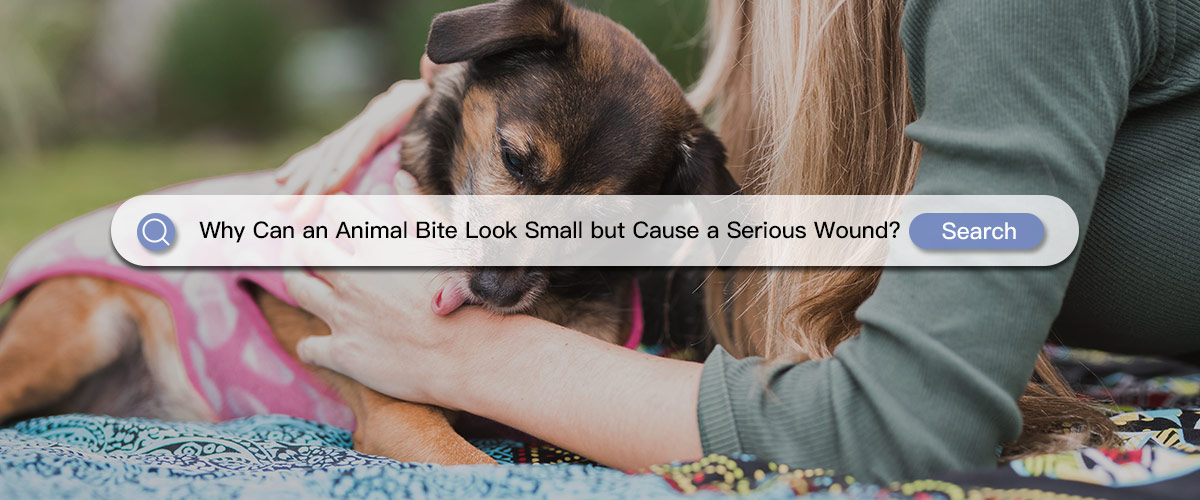
An animal bite can leave only a small mark on the skin, but the visible wound does not always show the full extent of the injury. Depending on the animal, bite mechanism, wound depth, and location, a seemingly minor bite may involve deeper tissue damage and carry a risk of infection.
A Small Skin Opening Does Not Always Mean a Minor Injury
Animal bites can create different types of wounds. A sharp tooth may produce a small puncture that extends deeper into the tissue, while a stronger bite may cause crushing or tearing of the surrounding tissue.
This is why wound assessment should consider more than the size of the opening. Clinical guidance recommends evaluating the type of bite, its location and depth, the extent of tissue damage, and whether the wound shows signs of infection.
Hands, feet, joints, the face, and other areas containing important structures may require particular attention because deeper injuries can involve tendons, nerves, vessels, bones, or joints.
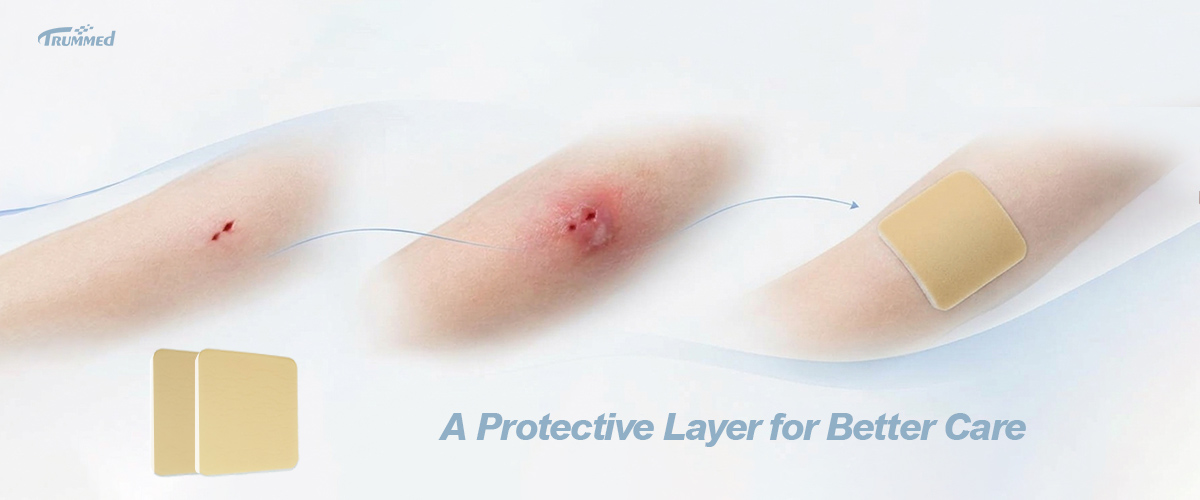
What Happens After the Skin Is Broken?
Once the skin barrier is damaged, bacteria and other contaminants can enter the wound. The body responds with inflammation, which may cause redness, swelling, warmth, and pain.
Some wounds remain uncomplicated and gradually improve. Others can develop increasing inflammation, drainage, unpleasant odor, or more severe infection. In more serious cases, an animal bite can be associated with conditions such as abscesses, cellulitis, or deeper infections.
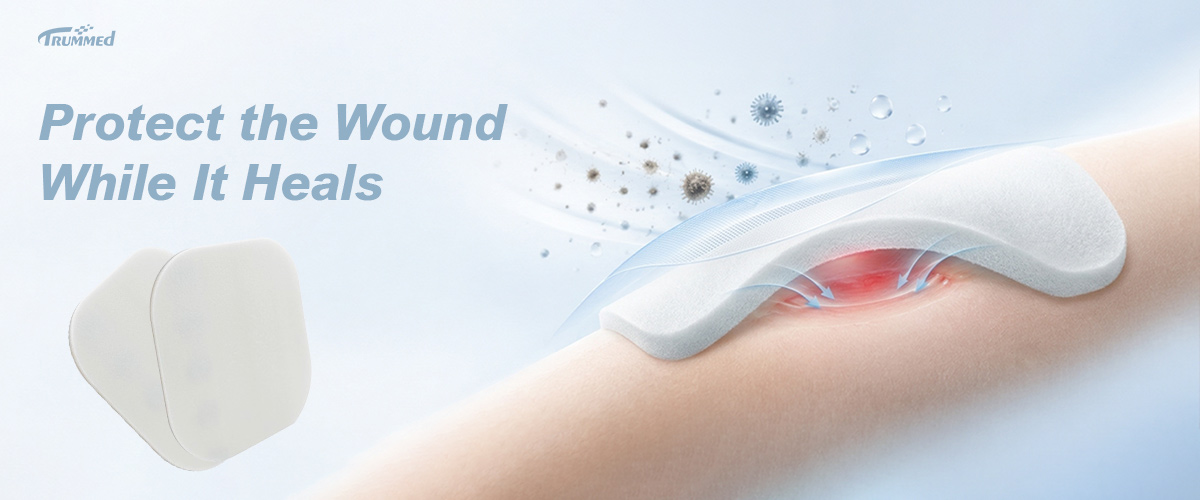
The wound may also produce exudate as part of the inflammatory and healing process. The amount and character of drainage can change as the wound develops, making wound assessment important when deciding how it should be managed.
The Animal Matters, Too
The source of the injury is another important part of assessment.
Dog and cat bites are common, but bites or scratches from bats, monkeys, rodents, and other wildlife can involve different infectious risks. Rabies is an important consideration after exposure to potentially infected mammals, while other animal exposures may carry different bacterial or viral risks.
For this reason, an animal bite should not be viewed only as a skin injury. The animal involved, the circumstances of the exposure, and local disease risks can all affect subsequent medical management.
Where Does a Dressing Fit In?
A dressing does not treat the underlying cause of an animal bite or replace medical assessment. Its role comes after the wound has been appropriately evaluated and managed.
For a wound that requires ongoing protection and produces moderate exudate, a foam dressing may be considered to help absorb wound drainage while protecting the wound surface.
For wounds with heavier exudate, a higher-capacity absorbent dressing may be more appropriate, depending on the wound condition and clinical assessment.
The key is not to choose a dressing simply because the wound came from an animal bite. Dressing selection should be based on the wound itself—particularly its depth, tissue condition, exudate level, and infection status.
When Should an Animal Bite Be Taken Seriously?
Medical assessment is particularly important when a bite is deep, heavily contaminated, involves significant tissue damage, affects the hands, face or joints, or shows signs of infection. Increasing pain, inflammation, fever, discharge, or an unpleasant smell can indicate a developing infection.
Potential rabies exposure also requires prompt professional assessment. Current CDC guidance emphasizes that rabies post-exposure management begins with thorough wound care and may also involve rabies immune globulin and vaccination when indicated.
Look Beyond the Surface
An animal bite may look like a small skin injury, but its real significance depends on what happened beneath the surface and what happens afterward.
Understanding the wound type, monitoring changes, and selecting wound care products according to the wound's actual needs can all contribute to more appropriate wound management.