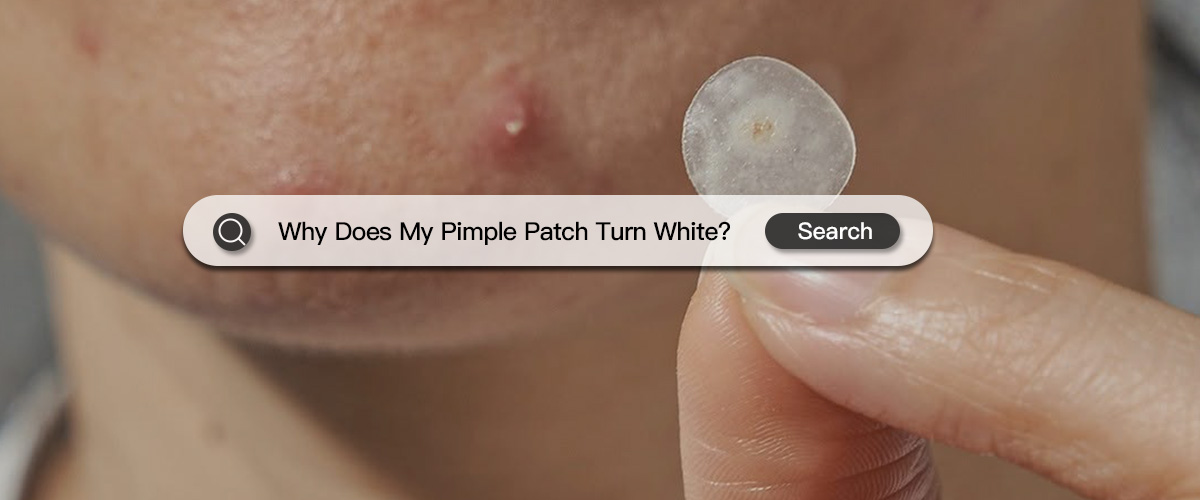
Have you ever applied a clear pimple patch, only to find it turning white after a few hours? Don’t worry—this usually means the patch is doing what it is designed to do.
The white appearance is mainly related to how the hydrocolloid material interacts with moisture from the skin.
What Makes a Pimple Patch Turn White?
Most traditional pimple patches are made with hydrocolloid, a material commonly used in wound care and acne patches.
When the patch comes into contact with moisture, the hydrocolloid absorbs fluid and gradually forms a gel. As this happens, the previously transparent patch can become white, cloudy, or opaque.
This visible change is one of the most recognizable characteristics of a hydrocolloid pimple patch.
What Is the White Material?
The white area is generally not dirt or pus accumulating inside the patch. Instead, it is largely the result of moisture absorption and the transformation of the hydrocolloid layer.
The patch creates a protective barrier over the blemish while absorbing moisture from the area. As more moisture is absorbed, the patch becomes increasingly visible.
The amount of whitening can vary depending on the type of blemish, the amount of fluid present, the patch thickness, and the hydrocolloid formulation.
Does More White Mean the Patch Worked Better?
Not necessarily.
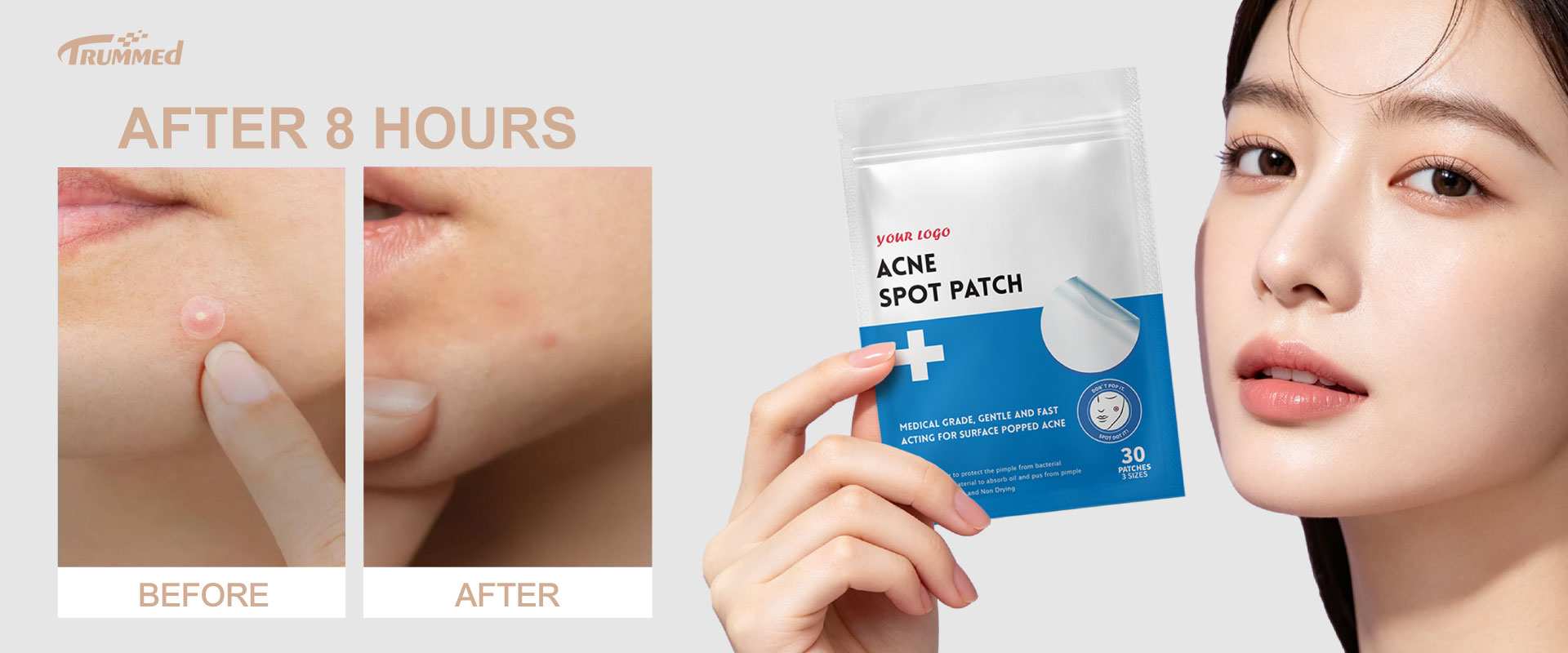
A patch turning very white simply indicates that the hydrocolloid has absorbed moisture. It does not provide a precise measurement of how effective the product has been.
A high-quality pimple patch should also provide appropriate adhesion, skin comfort, flexibility, and a reliable protective barrier.
For daytime products, brands may prioritize ultra-thin and discreet designs, while overnight patches can use a different structure depending on the intended application.
Why Do Some Patches Stay Clear?
Not every pimple patch turns noticeably white.
Some products use thinner hydrocolloid layers, different material structures, or formulations designed for a more transparent appearance. These products may absorb moisture while remaining relatively discreet.
This is particularly useful for daytime and makeup-friendly pimple patches, where consumers often prefer a low-visibility appearance.
Therefore, a patch staying clear does not automatically mean that it is ineffective.
What Does This Mean for Product Development?
For brands developing pimple patches, the whitening effect is an important part of product design.
Material composition, hydrocolloid structure, thickness, absorption capacity, and adhesive performance can all influence how the patch looks and behaves during use.
Brands may choose different specifications depending on their target market. A product designed for overnight acne care may prioritize absorption, while a daytime patch may place greater emphasis on thinness, transparency, and appearance.
Summary
So, why does your pimple patch turn white? In most cases, it is because the hydrocolloid has absorbed moisture and formed a gel.
The change in appearance is a normal characteristic of hydrocolloid patches—not necessarily a sign that something is wrong.
For brands, understanding this material behavior is equally important. Choosing the right hydrocolloid structure and product specifications can help create pimple patches that deliver the right balance of absorption, adhesion, comfort, and appearance.