What is a Two-Piece Ostomy Bag?
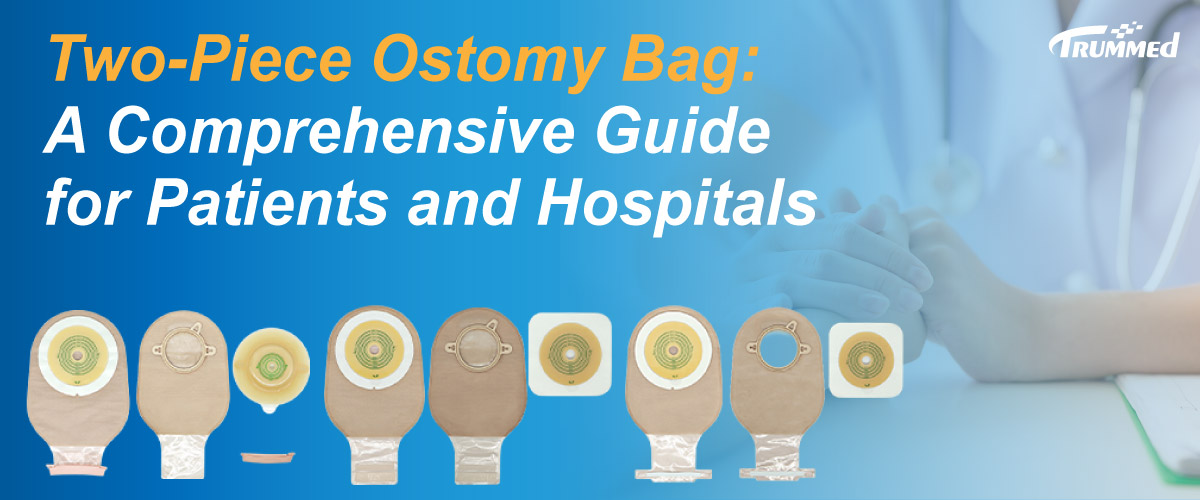
A two-piece ostomy bag system consists of two separate components: a baseplate (or skin barrier) and a pouch. The baseplate adheres to the skin, while the pouch can be detached and replaced independently. This design offers flexibility and convenience, making it a preferred choice for many ostomy patients.
Components of a Two-Piece Ostomy Bag
1. Baseplate (Skin Barrier)
Function: Protects the skin and provides a surface for the pouch to attach.
Material: Made from soft, skin-friendly materials with an adhesive.
Shape and Size: Available in various shapes and sizes to fit different stoma locations and dimensions.
Replacement Frequency: Typically replaced every 3-7 days, depending on skin condition and individual needs.
2. Pouch
Function: Collects urine or feces from the stoma.
Type: Available as drainable (with an opening) or closed (disposable).
Transparency: Available in both transparent and opaque options; transparent pouches allow for easy monitoring of contents, while opaque pouches offer more privacy.
Replacement Frequency: Pouches can be replaced as needed, depending on their capacity and personal usage.
Benefits of Two-Piece Ostomy Bags
1. Flexibility and Convenience
Independent Pouch Replacement: Allows for pouch changes without removing the baseplate, reducing skin irritation.
Adaptability: Easier to adjust pouch use for various activities, such as exercise and bathing.
2. Skin Protection
Reduced Skin Damage: Frequent pouch changes do not require removing the baseplate, minimizing skin pulling and irritation.
Customized Options: Enables selection of the best baseplate and pouch combination suited to individual skin conditions and lifestyles.
3. Extended Usage
Cost-Effectiveness: Lower baseplate replacement frequency can reduce overall costs.
Manageability: Helps better manage care schedules and supplies.
Tips for Using a Two-Piece Ostomy Bag
1. Choosing the Right Products
Select a suitable baseplate and pouch based on the type, location of the stoma, and personal lifestyle.
Work with an ostomy care specialist to find the best brand and model.
2. Proper Installation and Replacement
Follow instructions to properly install the baseplate and pouch, ensuring a good seal to prevent leaks.
Regularly check the stoma and skin condition, and replace the baseplate and pouch promptly to prevent infections and skin problems.
3. Skin Care
Use appropriate cleaning products and protective barriers to keep the skin dry and clean.
Avoid products that may irritate the skin, such as alcohol or fragrances.
4. Emergency Preparedness
Carry spare baseplates and pouches to handle unexpected situations.
Learn how to manage pouch changes and care in various circumstances, such as travel and physical activities.
5. Education and Support
Attend ostomy care training to learn proper care techniques.
Join support groups or communities to share experiences and tips with other ostomy patients.
Suitable Candidates
Long-Term Users: Ideal for patients who need to wear an ostomy bag for an extended period.
Sensitive Skin: Beneficial for patients with sensitive skin as it reduces irritation from frequent changes.
Active Lifestyles: Suitable for patients who need frequent pouch changes or engage in various activities.
Conclusion
The two-piece ostomy bag system offers a flexible, convenient, and effective solution for ostomy care. By choosing the right products, following proper care methods, and seeking timely support, patients can better manage their ostomy care and improve their quality of life. Hospitals and caregivers should actively understand and promote this system to provide comprehensive care support for patients.