In outdoor activities or long walks, blisters on the soles of your feet are a common and painful issue. Properly treating foot blisters can relieve pain, speed up healing, and prevent infection. Here’s a step-by-step guide to treating foot blisters, focusing on dressing choices to help you handle this common problem.
1. Cleaning and Preparation
First, keeping the blister area clean is essential. Gently wash the blister and surrounding skin with warm water and mild soap, avoiding vigorous rubbing that could cause it to burst. For small, unbroken blisters, it's best to leave them intact; the fluid inside acts as a natural cushion to protect the area. If the blister is large and makes walking uncomfortable, use a sterilized needle to make a small puncture at the edge to drain the fluid, but keep the covering skin intact to reduce the risk of infection.
2. Choosing and Using Dressings
The right dressing is key to treating blisters. Here are some common dressing options:
Hydrocolloid Dressings: This dressing creates a moist environment that promotes faster healing, reduces pain, and protects the blister from further friction. It also absorbs fluid from the blister, creating a protective layer that prevents infection. To use, place the hydrocolloid dressing over the cleaned blister and gently press down the edges to ensure it adheres firmly.
Waterproof and Breathable Dressings: These dressings keep out water and bacteria while allowing the skin to breathe, which helps speed up healing. Place the dressing over the blister and make sure it seals completely, making it ideal for sweaty or humid conditions where it helps keep the area dry and reduces infection risk.
Silicone Pads or Pressure Relief Pads: Silicone pads are excellent for relieving pressure and creating a cushion around the blister to avoid direct friction. These are ideal for long walks or exercise. Place the pad around the blister, rather than directly on it, to effectively reduce friction and pressure, preventing the blister from worsening.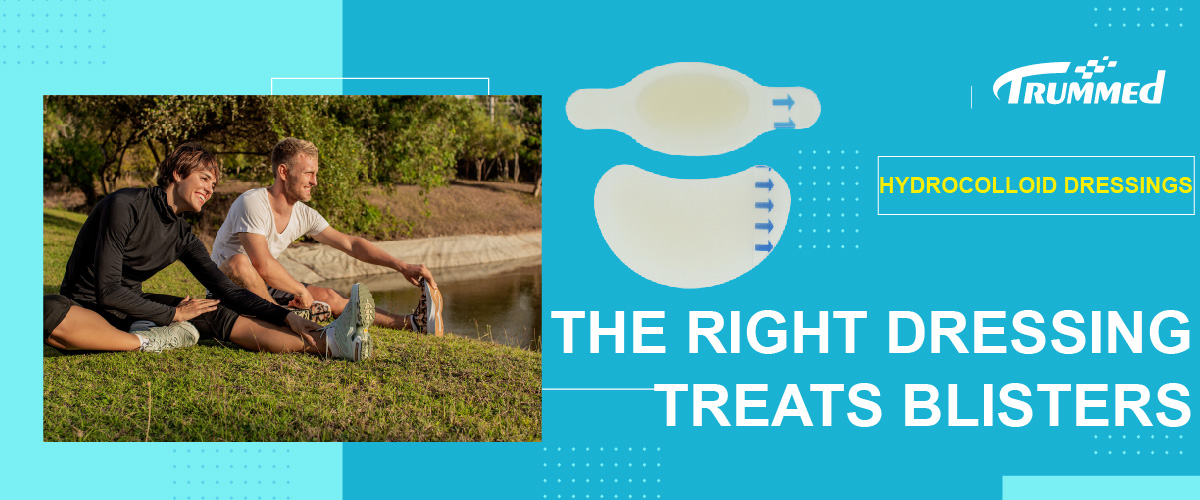
Sterile Gauze Pads: For open or burst blisters, sterile gauze pads help protect the wound and absorb any discharge, preventing infection. After cleaning, apply a small amount of antibiotic ointment to the blister, cover it with sterile gauze, and secure it with medical tape for added protection.
Medical Tape: Used to secure dressings, medical tape prevents dressings from coming loose during movement. For high-friction areas like the soles, securely fix the dressing with tape to avoid shifting or further discomfort.
3. Protection and Care
Once the dressing is applied, avoid putting excessive pressure on the blistered area. Keeping your feet dry is important; change dressings daily to maintain a clean environment that promotes healing. When possible, wear comfortable shoes and socks to minimize irritation. For those who engage in frequent outdoor activities, blister prevention is essential. Apply petroleum jelly or anti-friction tape to blister-prone areas before activity.
4. Monitoring and Prevention
If the blister shows signs of infection—such as redness, pus, increased pain, or swelling—seek medical attention. To prevent future blisters, choose suitable footwear, especially breathable and moisture-wicking socks that keep feet dry and comfortable. Before exercise, consider wearing double-layer socks or using blister-prevention products to further reduce the risk.
Using the right dressing can not only help manage existing foot blisters but also provide reliable protection during outdoor activities, minimizing the inconvenience of blisters. By mastering these care and prevention techniques, you can enjoy outdoor adventures with ease.