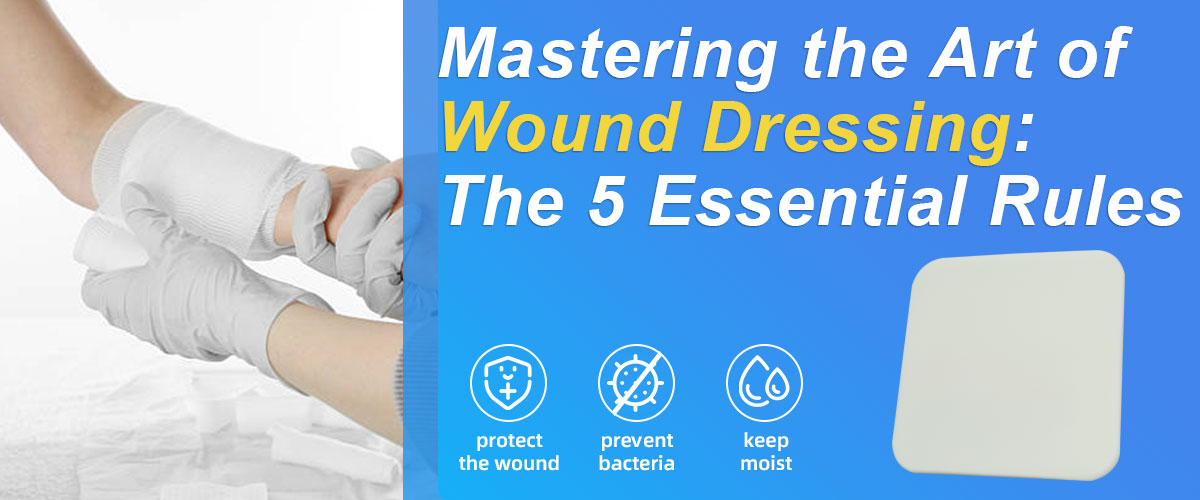
Wound dressing is a fundamental aspect of medical care that plays a crucial role in the healing process. Whether it's a minor cut, a surgical incision, or a more complex wound, proper dressing techniques are essential for preventing infections and promoting efficient healing. To ensure success, healthcare professionals adhere to five cardinal rules often referred to as the "5 S" of wound dressing.1. Sterility: The Foundation of Safe Healing
Maintaining a sterile environment during wound dressing procedures is paramount. Clean hands and the use of sterile gloves and equipment are prerequisites for preventing the introduction of harmful bacteria and pathogens into the wound. By adhering to strict sterility protocols, healthcare providers reduce the risk of infection and support the body's natural healing mechanisms.
2. Size Matters: Covering Wounds Adequately
An appropriately sized dressing is crucial for protecting the wound and facilitating healing. A dressing should cover the entire wound and extend slightly onto the surrounding healthy skin. This coverage prevents contaminants from entering the wound and minimizes the risk of friction or irritation from clothing or other external factors.
3. Safeguarding Against Complications
Effective wound dressings act as barriers against potential contaminants, dirt, and moisture. This safeguarding prevents complications that could impede the healing process. It's also vital to secure the dressing properly to prevent it from shifting, becoming dislodged, or causing discomfort to the patient.
4. Saturate for Success
Balancing moisture levels within the wound is a delicate task. Some wounds thrive in a moist environment that promotes cell growth and regeneration, while others require a drier setting to facilitate healing. The choice of dressing material should align with the wound's moisture needs to ensure an optimal healing environment.
5. Monitoring Wound Status
Vigilance in monitoring the wound's progress is essential. Regular assessment for signs of infection, healing, and changes in appearance, size, or odor is critical for timely intervention. Adjustments to the dressing type or wound care plan should be based on the wound's evolving status.
In conclusion, mastering the art of wound dressing involves a thorough understanding and application of the "5 S": sterility, size, safeguarding, saturation, and status. By adhering to these fundamental principles, healthcare professionals ensure that wounds are properly protected, infections are prevented, and the healing process is optimized. Ultimately, effective wound dressing contributes significantly to patients' overall well-being and successful recovery. Always consult a medical professional for proper wound care guidance tailored to your specific situation.
If you are in need of high-quality wound dressings, feel free to visit our website to contact us and inquire about pricing. Trummed Company provides advanced wound dressings to countless medical institutions. We are a reliable partner you can trust.