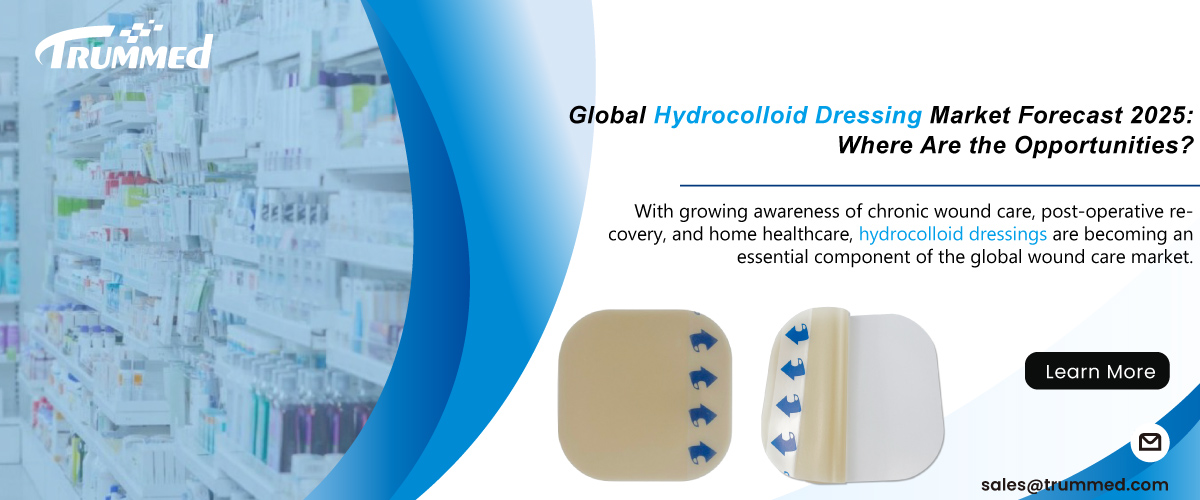
With growing awareness of chronic wound care, post-operative recovery, and home healthcare, hydrocolloid dressings are becoming an essential component of the global wound care market.
According to comprehensive data from MarketsandMarkets, Statista, and Frost & Sullivan, the global hydrocolloid dressing market is projected to exceed $1 billion USD by 2025, with a compound annual growth rate (CAGR) of approximately 6%–7%, indicating steady and sustainable growth.
So, which countries offer the most promising opportunities for hydrocolloid dressing exporters and suppliers? The following five countries stand out:
United States: Largest Market with Strong, Mature Demand
As the world’s largest medical device market, the U.S. continues to see rising demand for high-quality wound care products. The high prevalence of chronic wounds and diabetic foot ulcers has led to widespread use of hydrocolloid dressings in both hospital and home settings. Statista forecasts that by 2025, the wound care market in the U.S. will exceed $10 billion, with increasing use of hydrocolloid products year over year.
United Kingdom: Public Healthcare Drives Demand
The UK's National Health Service (NHS) emphasizes cost-effective and efficient wound management, making hydrocolloid dressings—known for their ability to promote healing with fewer dressing changes—a popular choice among healthcare providers. With an aging population and rising long-term wound care needs, the UK market is expected to maintain a CAGR of around 6%.
Italy: Growing Consumption, High Dependence on Imports
Italy has seen a steady increase in medical consumables expenditure, but its domestic manufacturing capacity remains limited, making it heavily reliant on imports. Additionally, Italy serves as a strategic distribution hub for Southern Europe, meaning that entering the Italian market often opens the door to broader regional expansion.
Australia: Home Care Trend Fuels Hydrocolloid Sales
Australia has been significantly investing in aged care and home healthcare services. Home users prefer simple, safe hydrocolloid dressings for treating mild to moderate wounds and skin tears. Frost & Sullivan reports that the Australian wound care market has a stable growth rate above 6%, with a rising share of hydrocolloid sales coming from online channels.
Spain: Dual Public-Private System Supports Multi-Channel Sales
Spain’s hybrid public-private healthcare system provides diverse market entry points for hydrocolloid products: from public hospital procurement to retail sales in private clinics, pharmacies, and online platforms. With a growing need for chronic wound management, Spain is becoming an emerging high-potential market in Southern Europe.
Conclusion
The global hydrocolloid dressing market is growing rapidly, and the United States, United Kingdom, Italy, Australia, and Spain are emerging as the most strategic markets. Their mature healthcare systems, aging populations, strong demand for advanced dressings, and reliance on imports make them ideal targets for hydrocolloid product suppliers. For exporters, now is the time to act—to expand market presence and secure a foothold in these high-growth regions.