In today’s beauty market, consumers’ demands go beyond mere functionality. They want products that not only deliver visible results but also exhibit unique designs and fashion-forward elements. The rise of microneedling beauty products is a direct response to this trend. By integrating fashion elements with advanced skincare technology, microneedling products have not only enhanced skincare outcomes but also become a symbol of style. This article explores how microneedling beauty products, through their design and fashion integration, have captured the attention of a growing number of consumers.
1. The Fashion-Forward Design of Microneedling Products
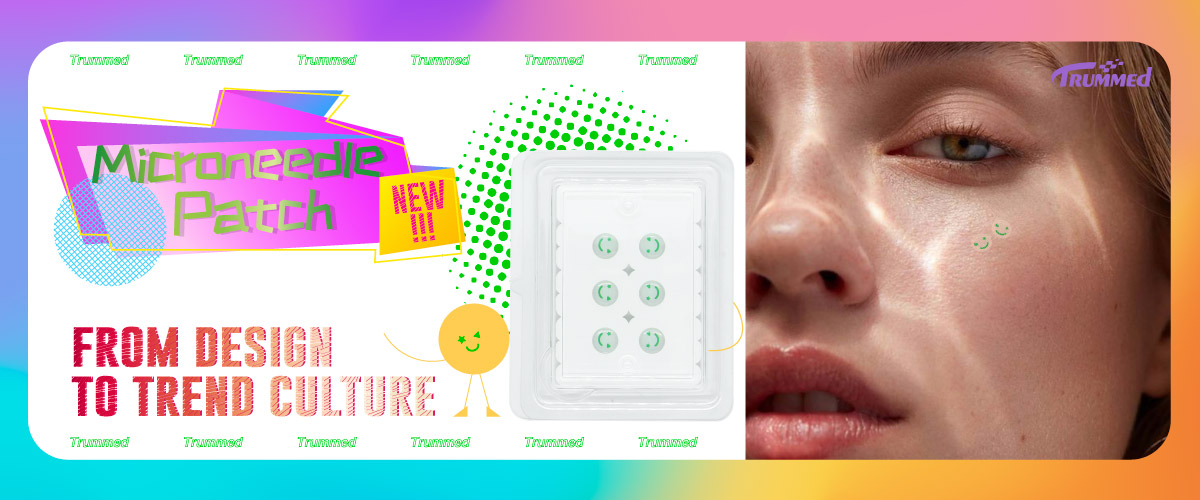
Modern consumers increasingly prioritize product design when choosing beauty items. Microneedling products have capitalized on this by incorporating innovative designs and fashion elements. For example, microneedling patches are no longer limited to traditional round or square shapes; they now come in various unique forms such as stars, hearts, and flowers. These designs not only add a fun and visually appealing aspect to the product but also make the experience of using microneedling beauty products more enjoyable.
In addition, color plays a significant role in the design of microneedling products. Traditional transparent or skin-colored patches have been joined by options in dazzling gold, refreshing mint green, or romantic pink. These color choices give microneedling products a more stylish appeal, aligning with the young consumer’s desire for personalization and fashion.
2. Packaging Design and Brand Image
Packaging is the first point of contact between the product and the consumer, and the packaging design of microneedling beauty products reflects the incorporation of fashion elements. Many brands have put great effort into their packaging designs, ranging from minimalistic and elegant to luxurious and bespoke styles. Each packaging design communicates the brand’s fashion philosophy, appealing to consumers who value quality and style.
For example, some brands have launched limited-edition microneedling products with packaging designs inspired by high fashion or art. This cross-disciplinary design not only enhances the collectible value of the products but also makes microneedling beauty items highly sought after on social media, turning them into must-have fashion accessories.
3. Microneedling Culture in Fashion Trends
Microneedling beauty products have not only gained market share through design but have also integrated into broader fashion culture. With the rise of social media, microneedling products frequently appear in the recommendations of fashion bloggers and key opinion leaders (KOLs), becoming a new trend symbol. On platforms like Instagram and TikTok, the stylish design of microneedling products has helped them go viral. Young people see them not just as skincare tools but as a way to showcase their personal taste and fashion sense.
This fashion-forward microneedling culture makes the products more appealing in the market and drives their popularity among younger consumers. People are buying microneedling products not only to improve their skin but also because of their stylish appearance and design, treating them as trendy accessories in everyday life. This fusion of fashion and beauty is the key to microneedling products standing out in a highly competitive beauty market.
Conclusion
Microneedling beauty products have successfully distinguished themselves by merging design with fashion elements. Their unique shapes, use of color, and exquisite packaging not only enhance the visual appeal but also add a fashionable dimension. As consumers’ demand for personalization and style continues to grow, microneedling products will keep exploring innovative possibilities at the intersection of fashion and beauty. This trend not only opens up broader market opportunities for microneedling products but also helps brands establish a distinctive fashion image.