Pressure injuries, also known as pressure ulcers, occur when skin and soft tissue are damaged due to prolonged pressure, leading to restricted blood flow and tissue hypoxia. While more common among the elderly, this condition can also affect certain groups of children and requires specific attention.
Common Causes of Pressure Injuries in Children
1.Prolonged Bed Rest:Conditions requiring extended periods of bed rest, such as chronic illnesses or post-surgery recovery, can lead to persistent localized pressure.
2.Use of Medical Devices:Equipment such as ventilator tubes, casts, or catheters can create localized pressure, particularly among premature infants in neonatal intensive care units (NICU).
3.Weak Skin Barrier Function:Children's skin is thinner and less resilient compared to adults, making it more susceptible to mechanical stress.
4.Malnutrition or Dehydration:Insufficient nutritional support or dehydration can impair the repair capabilities of skin and soft tissue.
Stages of Pressure Injuries
Based on severity, pressure injuries are classified into the following stages:
Stage 1: Intact skin with localized redness and tenderness. The area may feel warm or firm to the touch.
Stage 2: Partial-thickness skin loss involving the epidermis or dermis, forming shallow ulcers or blisters.
Stage 3: Full-thickness skin loss extending into subcutaneous tissue, potentially forming deep ulcers.
Stage 4: Tissue necrosis, potentially involving muscles or bones.
Preventive Measures for Pressure Injuries
1.Regular Repositioning and Posture Adjustment:
Reposition every two hours to reduce the risk of prolonged pressure on specific areas.
Use support equipment (e.g., foam pads or air mattresses) to distribute pressure.
2.Maintain Skin Cleanliness and Dryness:
Especially in diapered areas, ensure frequent changes and apply protective creams.
3.Enhanced Nutritional Support:
Provide adequate protein, vitamins, and minerals to promote skin repair.
4.Education for Families and Caregivers:
Increase awareness of early symptoms of pressure injuries for timely intervention.
The Role of Dressings in Managing Pressure Injuries
Dressings play a critical role in treating pressure injuries, with selection based on the injury’s stage and risk of infection.
1.Foam Dressings:
Provide moderate thickness to alleviate localized pressure and protect against further friction.
2.Hydrocolloid Dressing:
Suitable for dry wounds or those requiring a moist environment to aid debridement and cell growth.
3.Transparent Film Dressings:
Used for Stage 1 injuries or superficial ulcers, offering protection while allowing monitoring of the wound.
4.Antimicrobial Dressings:
For wounds at risk of infection, dressings containing silver ions or iodine effectively control microbial growth.
5.Alginate Dressings:
Ideal for wounds with heavy exudate, offering high absorption while maintaining a moist environment.
Case Study
A 10-year-old boy with cerebral palsy developed a Stage 1 pressure injury in the sacral region due to prolonged bed rest. The care team implemented the following measures:
1. Repositioned him every two hours and used pressure-relieving cushions.
2. Apply a foam dressing to protect the affected area and minimize friction.
3. Enhanced his nutritional intake, focusing on protein-rich foods.
4. Conducted daily skin inspections and regularly changed dressings to prevent progression.
After one week of care, the boy’s skin showed significant improvement, with the redness subsiding.
Conclusion
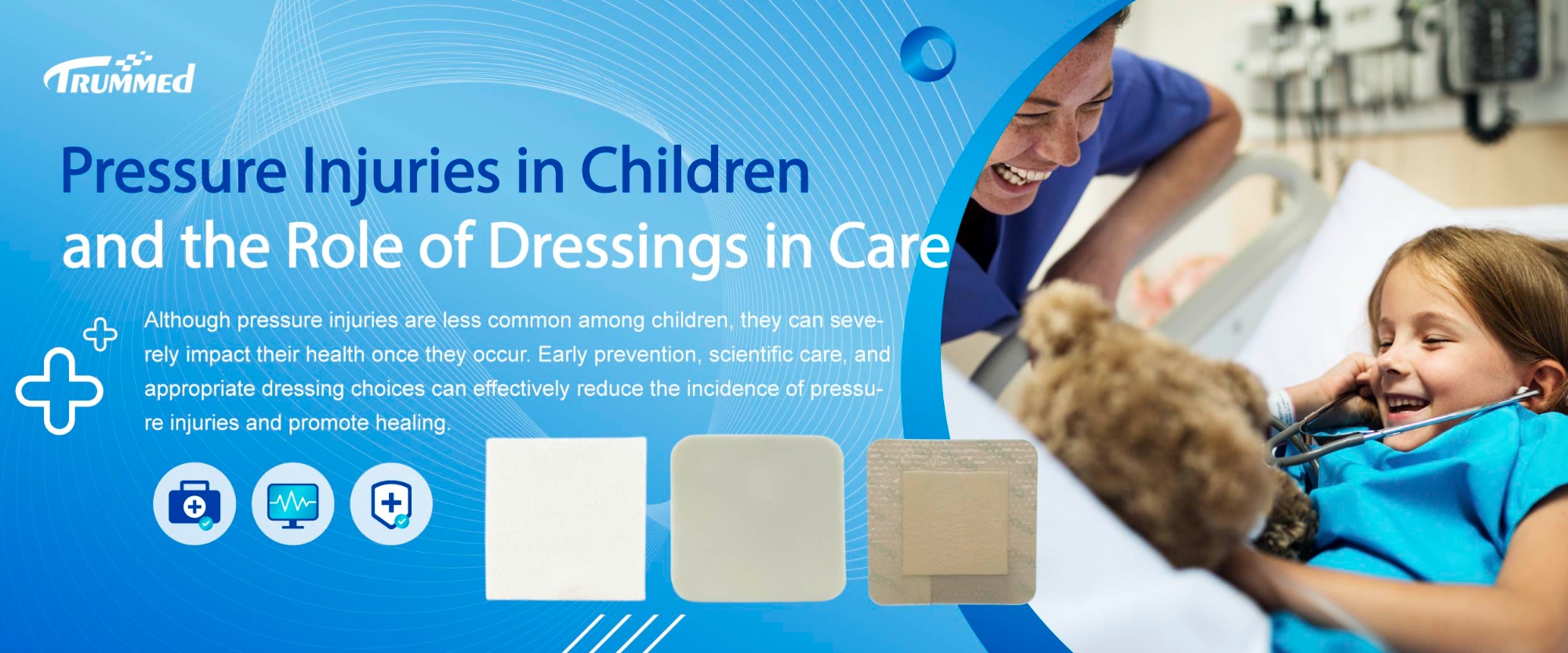
Although pressure injuries are less common among children, they can severely impact their health once they occur. Early prevention, scientific care, and appropriate dressing choices can effectively reduce the incidence of pressure injuries and promote healing. Raising awareness and improving prevention strategies in pediatric care will enhance overall care quality in the future.