 Understanding the Concern
Changes in wound exudate often cause concern. When a wound becomes wetter or starts producing more fluid, it is easy to assume that something is getting worse. In reality, exudate is not necessarily a sign of deterioration—it is a natural and essential part of the healing process.
Exudate as Part of Healing
When tissue is damaged, the body enters the inflammatory phase. During this stage, fluids, proteins, and immune cells move into the wound area, forming exudate. This fluid helps clear debris and bacteria while delivering nutrients and growth factors needed for repair. For this reason, an increase in exudate in the early stage of healing often reflects an active and normal biological response.
Why Management Matters More Than Volume
However, the amount of exudate alone does not determine whether a wound is healing well. What matters more is how that exudate is managed. If fluid accumulates or spreads to surrounding skin, it can lead to maceration, weakening tissue and increasing the risk of complications. This is where dressing choice becomes critical. Materials that simply absorb without retaining fluid, or that require frequent changes, may unintentionally disrupt the healing process.
The Role of CMC Fiber Dressings
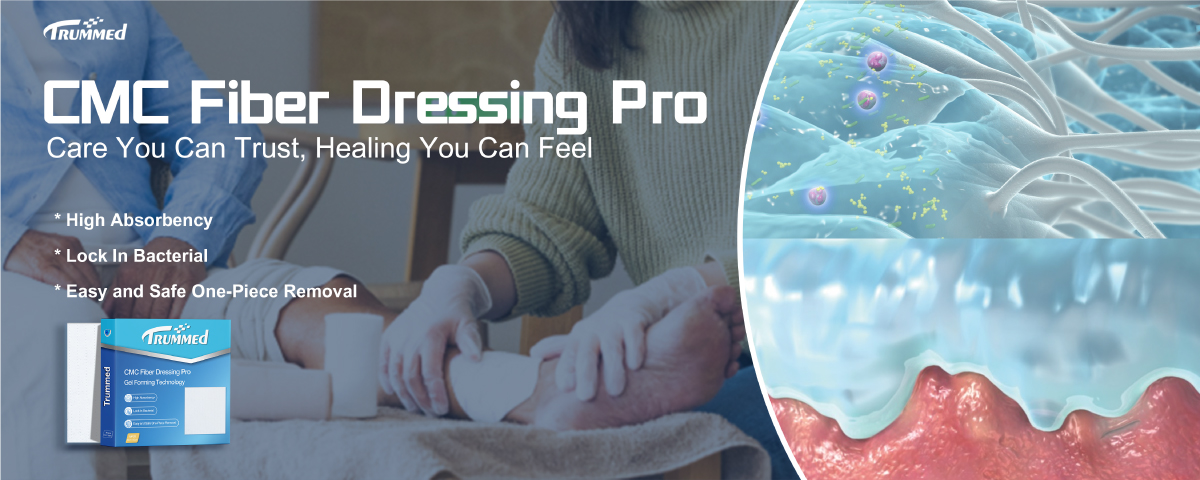
CMC fiber dressings are designed specifically to address this challenge. Instead of only absorbing fluid, they transform exudate into a soft gel, helping to keep it contained within the dressing. This reduces the risk of leakage and minimizes damage to the surrounding skin. At the same time, the gel structure maintains close contact with the wound surface, supporting a stable and moist environment that is known to promote tissue regeneration.
Supporting Gentler Dressing Changes
Another advantage of CMC fiber dressings is their ability to reduce disturbance during dressing changes. Because the gel does not strongly adhere to the wound bed, removal is typically gentler, helping to protect newly formed tissue. This is particularly important in wounds that require ongoing management, where repeated disruption can slow overall recovery.
Recognizing Warning Signs
It is still important to recognize abnormal signs. If increased exudate is accompanied by odor, unusual color, or worsening pain, it may indicate infection and should be evaluated. Without these signs, however, more fluid does not necessarily mean the wound is getting worse.
Conclusion
In essence, exudate is not the problem—poor management is. With the right approach, and with advanced materials such as CMC fiber dressings, exudate can be effectively controlled, allowing the wound to heal in a more stable and uninterrupted environment.