“Changing the dressing feels like peeling off my skin—every single time.”
“Just when the wound starts to heal, the gauze rips everything off again.”
If these situations sound familiar, you're not overreacting—traditional dry gauze can seriously hinder wound healing. Below are real-life examples of people struggling with adhesive gauze and how modern, non-stick wound dressings made a difference.
A Mother’s Concern: Every Bandage Change Ends in Tears
Little Ethan scraped his knee while playing. His mom used standard dry gauze, but every change was a painful experience. The gauze stuck to the wound, pulling at newly formed skin and causing bleeding.
The solution? A hydrocolloid dressing that keeps the wound moist, prevents adhesion, and allows pain-free dressing changes.
Recommended: Hydrocolloid Dressing
Ideal for scrapes, shallow wounds
Maintains a moist healing environment
Minimizes scabbing and dressing-related trauma
Post-Surgery Wounds and Elderly Skin—A Painful Combination
Mr. Li, a 68-year-old post-op patient, was dealing with painful dressing changes. His fragile skin made things worse. Switching to a silicone contact layer dressing eliminated the pulling sensation and protected the healing tissue.
Recommended: Silicone Contact Layer
Perfect for post-op wounds, diabetic ulcers, and fragile skin
Gentle adhesion, easy to remove without damaging new tissue
Can stay in place while changing the outer dressing
Construction Workers and Constant Friction: A Healing Nightmare
Mike, a construction worker, developed a deep abrasion on his ankle. He used dry gauze, but the constant movement and high exudate levels made it stick and reopen repeatedly. A foam dressing with a non-adherent layer solved the issue, absorbing fluid while protecting the wound.
Recommended: Foam Dressing with Non-Adherent Contact Layer
Suitable for moderate to heavily exuding wounds
Non-stick surface prevents tissue trauma
Comfortable and durable even in active environments
Treating Wounds at Home? Your Choice of Dressing Matters
Many people treat minor injuries at home—but outdated materials like dry gauze can slow healing and increase pain. Switching to modern moist wound dressings not only speeds up recovery, it makes every change easier.
In Summary: Who Needs Non-Adherent Dressings the Most?
Children and seniors – delicate skin, sensitive to pain
Post-surgical patients – wound healing requires protection
Active workers – frequent movement, sweat, and friction
Anyone seeking faster healing – moist healing environments promote tissue regeneration
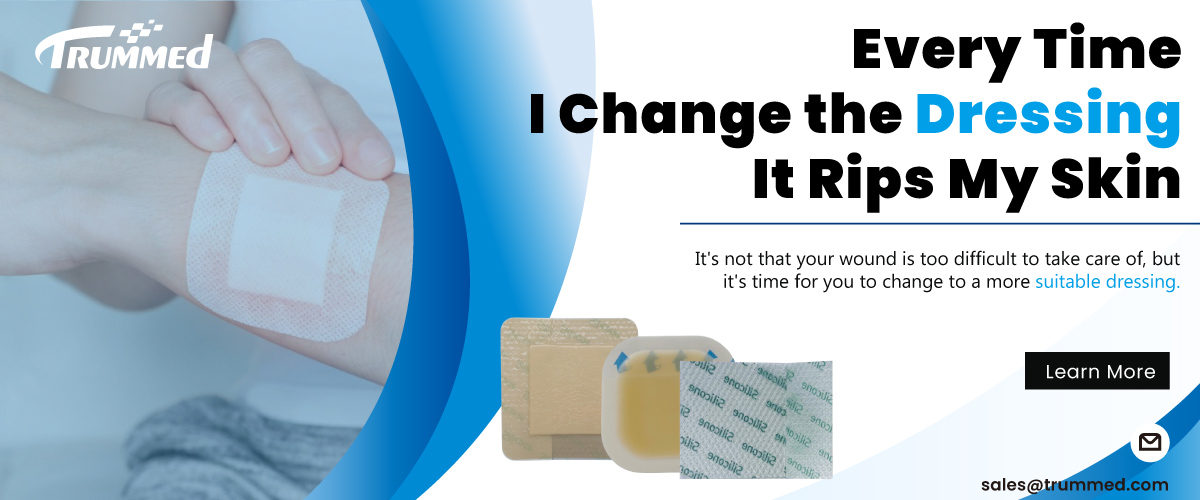
It's not that your wound is too difficult to take care of, but it's time for you to change to a more suitable dressing.