Introduction: From Healing to Green Healing
The wound care industry has long focused on effective healing, but with the rise of environmental regulations and growing corporate responsibility, sustainability has become a key priority. Hydrocolloid rolls, known for their gentle, non-irritating, and biocompatible properties, naturally lend themselves to green material innovation. This article explores how hydrocolloid materials are evolving within the sustainability trend, shaping the next generation of wound dressings.
Industry Trends: Sustainable Medical Materials Reshaping the Market
The global wound care market is increasingly shifting toward sustainable solutions. Regulatory frameworks such as the EU MDR, REACH, and FDA guidelines are emphasizing biodegradable and environmentally friendly materials. At the same time, consumers are becoming more conscious of health and environmental impact, making green medical materials a key differentiator for brands. According to Marketsa
ndMarkets, the sustainable medical materials sector is expected to grow at a CAGR of over 10% between 2025 and 2030.
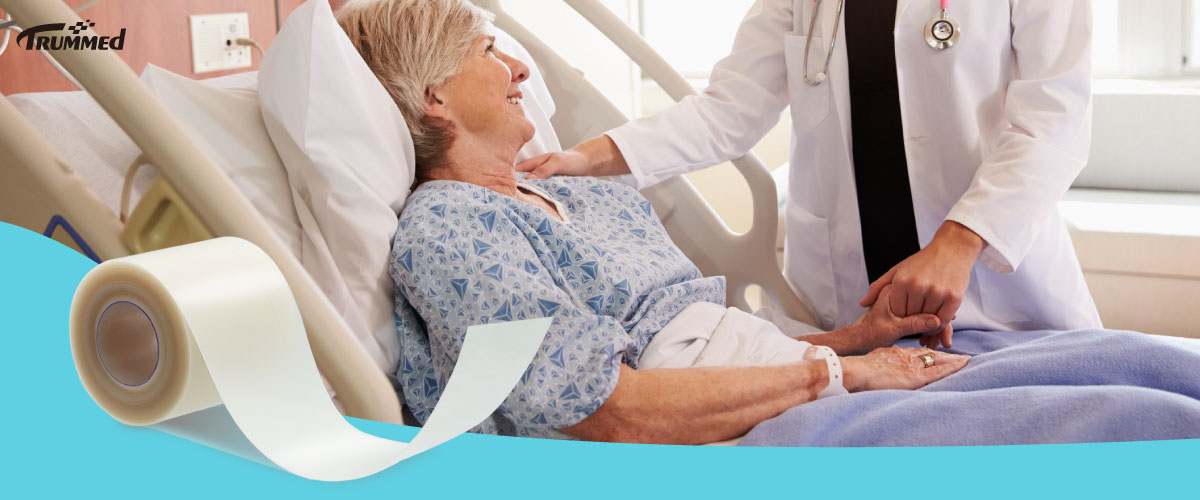
Natural Advantages of Hydrocolloids: Sustainability Starts with the Material
Hydrocolloid dressings offer not only healing benefits but also inherent material advantages supporting sustainability:
1. Biodegradable Components
Hydrocolloids are typically composed of carboxymethyl cellulose (CMC), gelatin, pectin, and other natural polymers, which are partially biodegradable in the environment (PubMed, 38069035).
2. Strong Biocompatibility
Hydrocolloid materials adhere gently to the skin, minimizing irritation, making them suitable for postoperative and sensitive skin applications (PMC, 9924226).
3. Waste Reduction
Roll formats allow precise cutting to size, minimizing production waste. When paired with recyclable release liners and eco-friendly packaging, they support a greener supply chain.
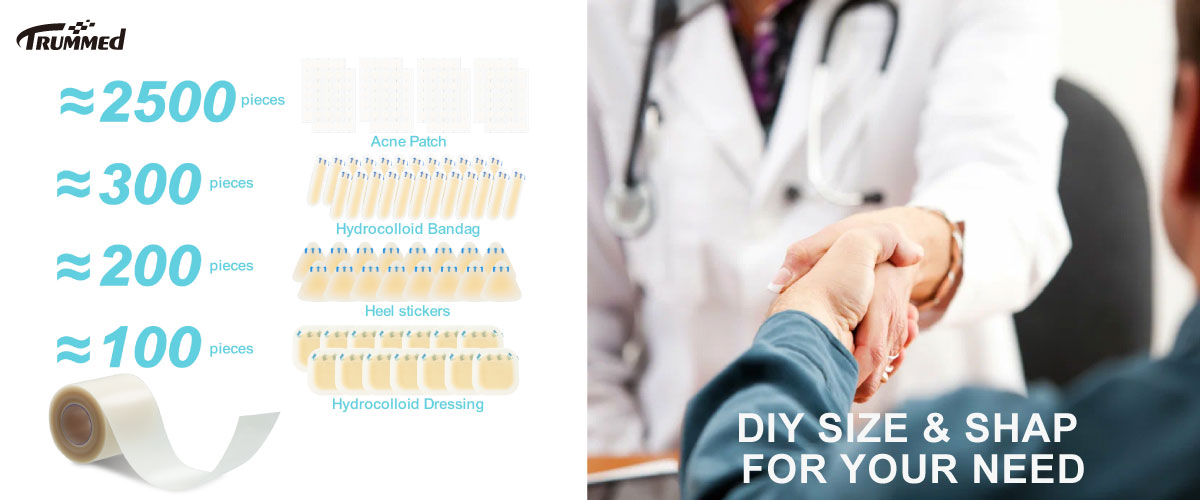
Next-Generation Innovations: Making Hydrocolloids Greener
1. Incorporation of Natural Functional Ingredients
Blending hydrocolloids with alginate, Centella asiatica extract, or aloe vera enables dual benefits of wound healing and environmental responsibility (MDPI, 724).
2. Eco-Friendly Packaging Design
Paper-based release liners and recyclable pouches reduce plastic usage while enhancing brand sustainability messaging.
Manufacturing Innovation: Trummed’s Practices
Trummed actively explores sustainable manufacturing practices:
- Strict control of thickness and formulation consistency to reduce waste
- Customizable thickness (0.2–2.0 mm) to suit varying exudate levels and use cases
- OEM/ODM support for brands aiming to develop sustainable medical and cosmetic product lines
Conclusion: Sustainability in Wound Care – Responsibility and Opportunity
Sustainability is no longer an optional value-add; it has become a fundamental requirement for the medical industry. The green evolution of hydrocolloid rolls represents a comprehensive innovation—from materials to products to packaging. Trummed is committed to making every hydrocolloid roll a symbol of sustainable healing.
References
PMC 7949999 – PLA in biodegradable wound dressings
PubMed 38069035 – Natural polysaccharide-based hydrocolloid dressings
PMC 9924226 – Hydrocolloid dressing composition and applications
MDPI 724 – Functionalization of natural hydrocolloid dressings